The roulette wheel and board form the heart of one of the most iconic casino games worldwide. Whether you’re a beginner curious about how it all works or someone looking to deepen your understanding, this guide breaks down the essentials of the roulette wheel and board in simple terms. From its spinning mechanism to the betting layout, the roulette wheel and board create an exciting blend of chance and strategy that has captivated players for centuries.
In this informative overview, we’ll explore the components, variations, and tips to enhance your appreciation of the roulette wheel and board.
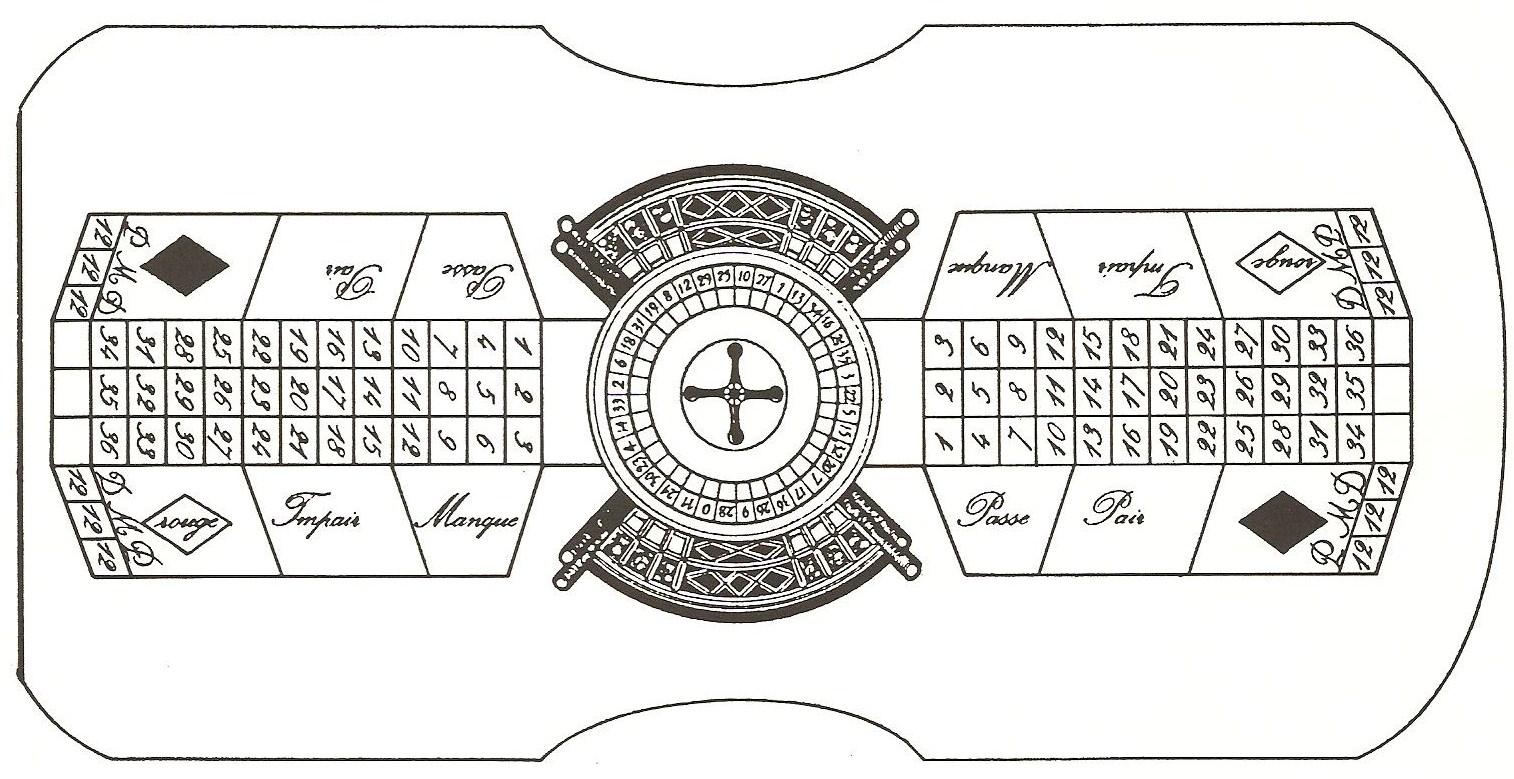
Image Credit – Wikimedia Commons
Table of Contents
What is a Roulette Wheel and Board?
At its core, the roulette wheel and board are the primary tools used in the game of roulette. The roulette wheel is a circular device with numbered pockets where a small ball is spun, while the board—often called the table layout—is the flat surface where players place their bets. Together, the roulette wheel and board determine the outcome of each spin, with the ball landing in a pocket to reveal the winning number and color.
The roulette wheel and board are designed for fairness, with the wheel featuring alternating red and black pockets, plus green zeros. This setup ensures random results, making the roulette wheel and board a symbol of pure luck in gambling. Understanding the roulette wheel and board is key for anyone interested in playing, as it influences bet types and potential payouts.
History of Roulette
The origins of the roulette wheel and board trace back to 18th-century France, where mathematician Blaise Pascal inadvertently contributed to its invention while experimenting with perpetual motion machines. The modern roulette wheel and board evolved from games like Biribi and early wheel-based lotteries. By the 19th century, the roulette wheel and board had spread to casinos in Europe and America, with variations emerging to suit local preferences.
In the U.S., the addition of a double zero to the roulette wheel and board increased the house edge, distinguishing American roulette from its European counterpart. Today, the roulette wheel and board remain staples in both physical and online casinos, preserving their historical charm while adapting to digital formats.
Types of Roulette Wheels and Boards
There are several types of roulette wheel and board setups, each with slight differences that affect gameplay. The most common are American, European, and French versions.
- American Roulette Wheel and Board: Features 38 pockets, including 0 and 00. This double zero on the roulette wheel and board raises the house edge to about 5.26%.
- European Roulette Wheel and Board: Has 37 pockets with a single 0, lowering the house edge to 2.7%. The board layout is similar but offers better odds for players.
- French Roulette Wheel and Board: Similar to European but includes rules like “La Partage” and “En Prison,” which can halve losses on even-money bets when the ball lands on zero.
Choosing the right type of roulette wheel and board depends on your risk tolerance and where you’re playing.
Roulette Wheel Layout and Number Sequence
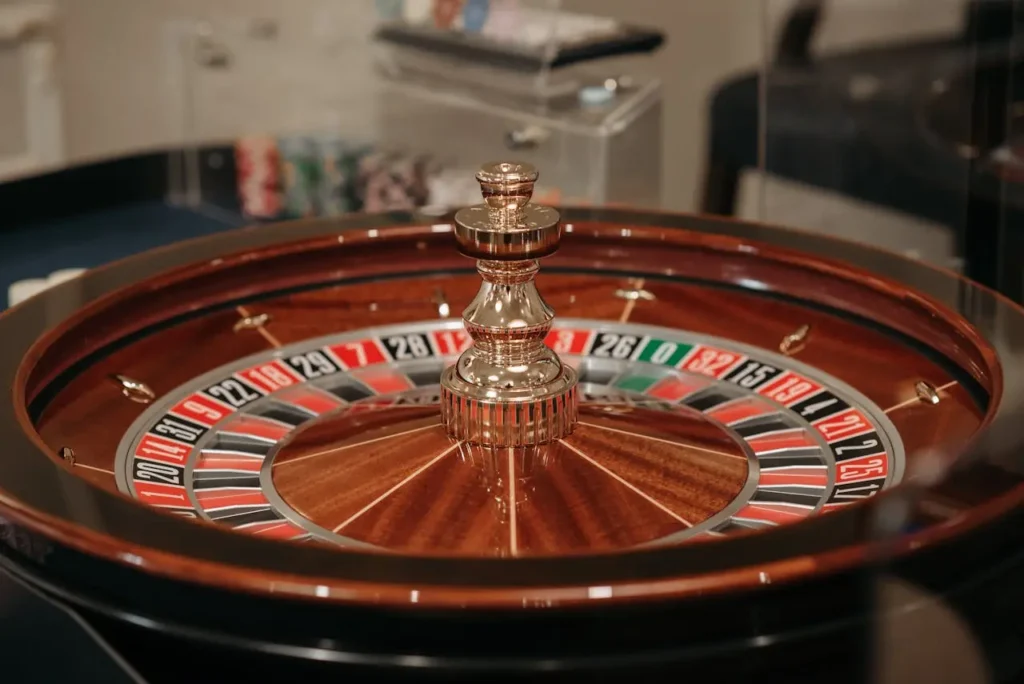
The roulette wheel layout is meticulously designed to alternate colors and numbers for balance. On a standard European roulette wheel and board, numbers range from 1 to 36, plus a green 0. The sequence isn’t consecutive; instead, it’s arranged to distribute high/low, odd/even, and red/black evenly.
For example, the sequence might start with 0, followed by 32 (red), 15 (black), 19 (red), and so on. This non-sequential pattern on the roulette wheel and board prevents predictable patterns, ensuring each spin is independent. In American versions, the extra 00 is placed opposite the 0, further altering the dynamics of the roulette wheel and board.
Roulette Board Layout
The roulette board, or table layout, is where the action happens for betting. It’s a grid marked with numbers 1-36 in three columns, plus sections for outside bets like red/black, odd/even, and dozens. The roulette board mirrors the wheel’s numbers but organizes them in a rectangular format for easy wagering.
At the top of the roulette board, you’ll find the 0 (and 00 in American styles), with betting areas for straight-up numbers, splits, streets, and corners. This layout on the roulette wheel and board allows for diverse bet options, from high-risk inside bets to safer outside ones. Familiarizing yourself with the roulette board layout is crucial for strategic play.
Types of Bets: Inside and Outside
Bets on the roulette wheel and board fall into two main categories: inside and outside.
- Inside Bets: Placed directly on numbers or small groups on the roulette board. Examples include straight-up (one number, 35:1 payout), split (two numbers, 17:1), and street (three numbers, 11:1). These offer higher payouts but lower odds.
- Outside Bets: Cover larger groups on the edges of the roulette board, like red/black (1:1), odd/even (1:1), or columns (2:1). They’re safer but pay less.
Mastering these bets enhances your interaction with the roulette wheel and board.
Odds and Payouts
Understanding odds and payouts is essential when engaging with the roulette wheel and board. For a straight-up bet, odds are 37:1 (European) or 38:1 (American), but payout is 35:1, giving the house an edge. Even-money bets like red/black have nearly 50% odds but payout 1:1.
The roulette wheel and board’s design influences these figures—single zero versions favor players more. Always check the specific roulette wheel and board type for accurate calculations.
House Edge
The house edge is the casino’s built-in advantage on the roulette wheel and board. In European roulette, it’s 2.7% due to the single zero; American jumps to 5.26% with the double zero. French rules can reduce it further to 1.35% on even bets.
This edge ensures long-term profitability for casinos, but smart play on the roulette wheel and board can minimize losses.
Tips and Strategies
While roulette is luck-based, tips can improve your experience with the roulette wheel and board:
- Stick to European or French versions for better odds.
- Manage your bankroll—set limits and avoid chasing losses.
- Use strategies like Martingale (double bets after losses) cautiously, as they don’t beat the house edge.
- Practice on free online versions to get comfortable with the roulette wheel and board.
- Experiment with mixed bets for fun, but remember each spin is independent.
Recommended Online Casinos for Roulette
Here are top online casinos for playing roulette in 2026, based on game variety, bonuses, and user reviews. Rankings prioritize low house edges, live dealer options, and secure platforms.
| Rank | Casino | Key Features | Welcome Bonus |
|---|---|---|---|
| 1 | Wild Casino | 36 roulette variants, fast payouts | Up to $5,000 |
| 2 | Ignition | Live dealer roulette, crypto support | $3,000 |
| 3 | BetMGM | Extensive live games, mobile app | $1,000 match |
| 4 | Caesars | Trusted brand, French roulette | $2,000 |
| 5 | DraftKings | Variety of wheels, daily promotions | $500 |
These casinos offer immersive experiences with the roulette wheel and board digitally.